Leak Detection in Phoenix: How to Find Hidden Water Leaks Before They Damage Your Home
Hidden water leaks are one of the most common and costly plumbing issues homeowners face in Phoenix. Because these leaks often develop behind walls, under flooring, or beneath concrete slabs, they can go unnoticed for long periods of time.
Hidden water leaks are one of the most common and costly plumbing issues homeowners face in Phoenix. Because these leaks often develop behind walls, under flooring, or beneath concrete slabs, they can go unnoticed for long periods of time. By the time visible damage appears, the repair costs can escalate quickly. Understanding how to identify early warning signs and knowing when to call a professional can make a significant difference in protecting your home and avoiding unnecessary expenses.
At Pipes Plus, leak detection is approached with precision and experience. Using advanced diagnostic tools and proven techniques, their team helps Phoenix homeowners locate hidden leaks quickly and accurately, minimizing disruption and preventing further damage.
Signs of Hidden Water Leaks in Your Home
Many homeowners don’t realize there’s a problem until damage becomes obvious, but there are subtle indicators that should never be ignored. A sudden spike in your water bill without increased usage is often one of the earliest warning signs. Similarly, unexplained damp spots, discoloration on walls or ceilings, or peeling paint may point to moisture accumulating behind surfaces.
Another common red flag is the presence of mold or mildew in areas that are typically dry. Even faint sounds like water running when all fixtures are turned off, can signal a leak somewhere in your plumbing system. Recognizing these signs early allows you to take action before structural damage or mold remediation becomes necessary.
A sudden increase without a change in normal household use can indicate a hidden leak.
Moisture stains on walls, ceilings, or flooring can point to water accumulating behind surfaces.
Growth in areas that are normally dry can indicate an ongoing moisture problem.
Water sounds when every fixture is turned off can indicate a leak somewhere in the plumbing system.
Slab Leak Detection Methods and Solutions
SSlab leaks are particularly concerning in Phoenix due to the prevalence of concrete slab foundations. These leaks occur when pipes beneath the foundation crack, corrode, or shift. Left untreated, they can compromise the structural integrity of your home.
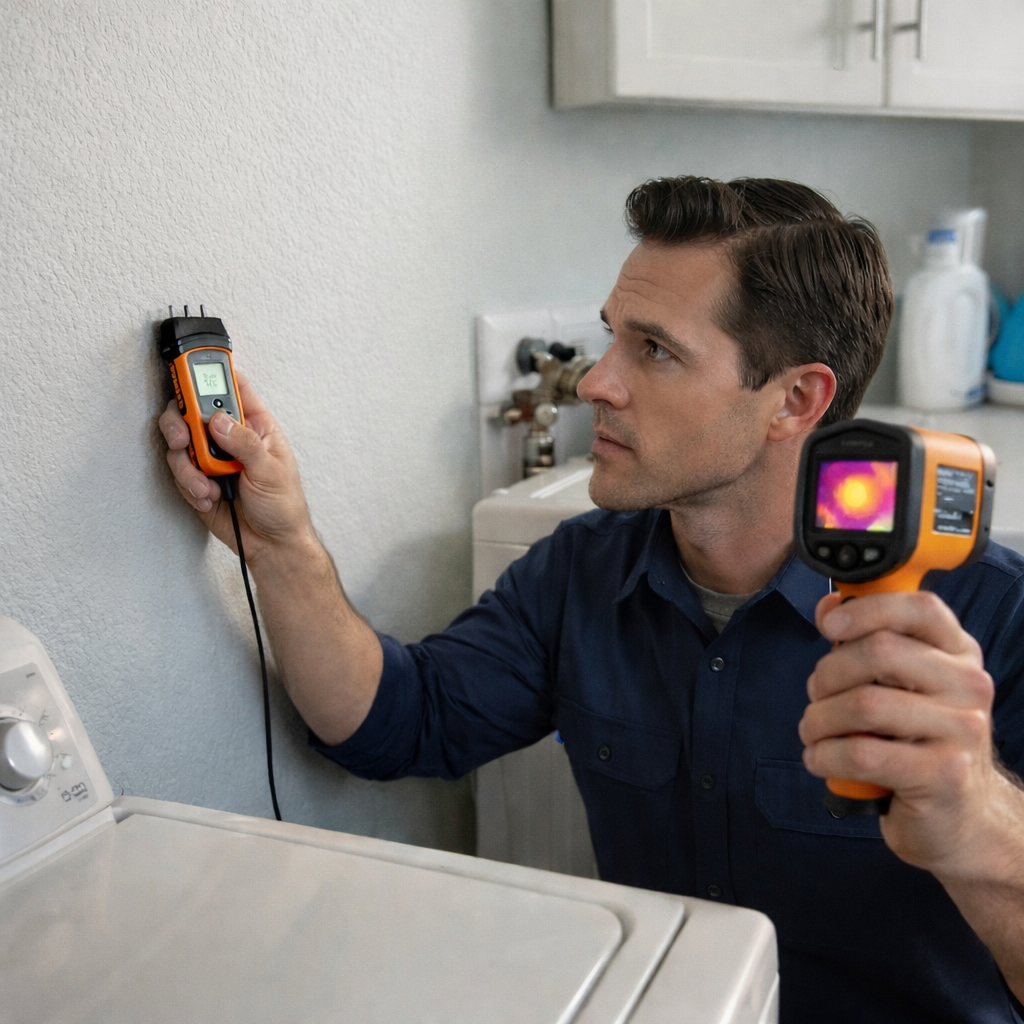
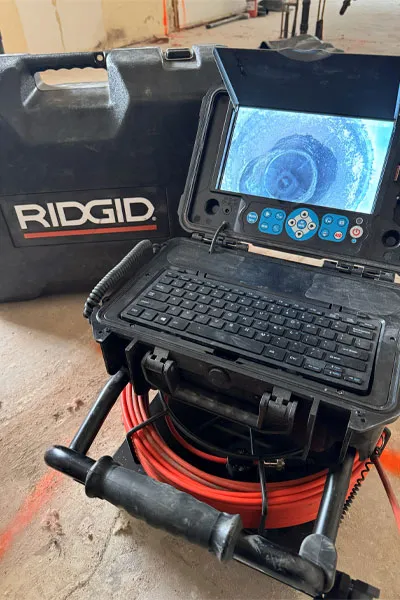
Professional plumbers use specialized tools to detect slab leaks without tearing into your flooring unnecessarily. Acoustic listening devices can pick up the sound of water escaping pipes, while infrared thermography identifies temperature variations caused by hidden moisture. Pressure testing is another reliable method used to confirm leaks within the system.
Because slab leaks are complex, accurate detection is critical. This is where experienced professionals, like the team at Pipes Plus, play a key role in preventing long term damage.
Emergency Leak Repair Services in Phoenix
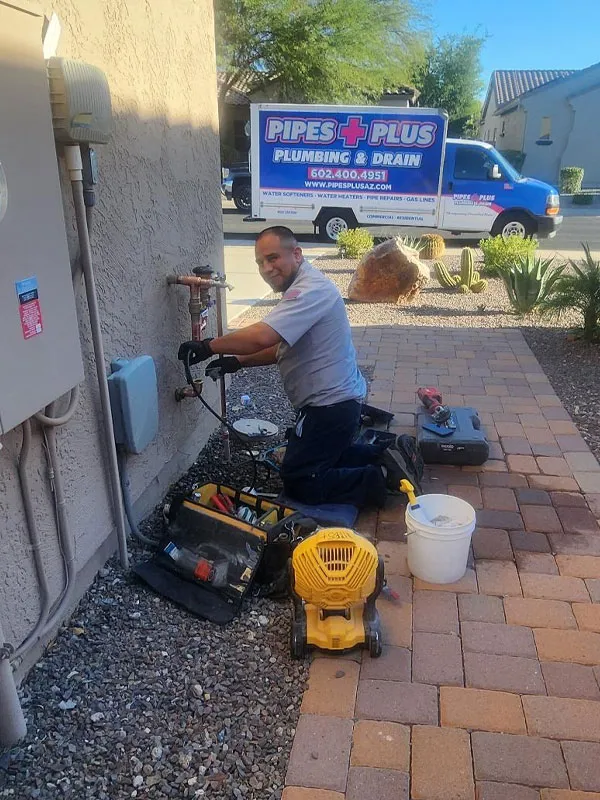
When a leak becomes severe, timing is everything. Water damage can spread quickly, affecting flooring, drywall, and even your home’s foundation. Emergency plumbing services are designed to respond rapidly, diagnose the issue, and implement a solution before the damage worsens.
Pipes Plus prioritizes fast response times and thorough repairs. Their technicians are trained to handle urgent situations efficiently, ensuring your plumbing system is restored and your home is protected.
Water Heater Leak Detection and Repair
Water heaters are another common source of leaks in residential properties. Because they operate under pressure and constant heat, wear and tear over time can lead to cracks, corrosion, or faulty connections.
If you notice water pooling around your unit, visible rust, or unusual sounds like popping or hissing, it’s important to act quickly. Some issues can be repaired, but in more severe cases, replacement may be the safest and most cost effective solution. Routine maintenance can significantly extend the lifespan of your water heater and reduce the risk of unexpected failures.
Preventing Water Damage from Leaks
Preventative maintenance is one of the most effective ways to avoid costly repairs. Regular plumbing inspections can identify minor issues before they escalate, and keeping an eye on your monthly water bill can help catch leaks early.
Here’s a quick breakdown of proactive steps homeowners can take:
Taking these steps can significantly reduce the risk of water damage and help maintain the long-term integrity of your home.
| Detection Method | Description | Benefit |
|---|---|---|
| Acoustic Listening | Uses microphones to detect water sounds | Accurate identification of leaks |
| Infrared Thermography | Detects temperature changes in the slab | Non-invasive and efficient |
| Pressure Testing | Monitors water pressure for leaks | Quick diagnosis of plumbing issues |
Leak Detection FAQs
What should I do if I suspect a water leak in my home?
If you suspect a water leak, it’s important to act quickly. Start by looking for visible warning signs like damp spots, mold growth, or an unexpected increase in your water bill. Even subtle indicators can point to a larger hidden issue. If anything seems off, the safest next step is to contact a licensed plumber. A professional can perform a thorough inspection using specialized equipment to pinpoint the source of the leak and recommend the most effective repair solution before the problem worsens.
How can I prevent water leaks in my home?
Preventing water leaks comes down to consistent maintenance and awareness. Scheduling routine plumbing inspections allows professionals to catch small issues before they turn into costly repairs. Homeowners should also monitor their water bills for sudden increases, keep gutters and drainage systems clear, and address minor leaks as soon as they appear. Taking these proactive steps helps protect your plumbing system and reduces the risk of long-term water damage.
What are the risks of ignoring a hidden water leak?
Ignoring a hidden leak can lead to serious consequences over time. Water intrusion can weaken your home’s structure, damage flooring and drywall, and create the perfect environment for mold and mildew growth. Beyond property damage, mold exposure can also impact indoor air quality and health. The longer a leak goes untreated, the more extensive and expensive the repairs become, which is why early detection is critical.
How often should I have my plumbing inspected?
Most homeowners benefit from a professional plumbing inspection at least once a year. Regular inspections help identify wear and tear, small leaks, or pressure issues before they escalate. If your home is older or has a history of plumbing problems, more frequent inspections may be recommended. A qualified plumber can assess your system and suggest a maintenance schedule that fits your home’s specific needs.
What are the signs of a slab leak?
Slab leaks can be difficult to detect, but there are several warning signs to watch for. These include unexplained water pooling on floors, warm or damp spots on the foundation, rising water bills, and even cracks in walls or flooring. Some homeowners also report hearing water running when no fixtures are in use. Because slab leaks can impact your home’s foundation, it’s essential to have them evaluated by a professional as soon as possible.
Can I repair a water heater leak myself?
While minor issues like tightening a loose connection might seem manageable, water heater leaks are generally best handled by a professional. Water heaters operate under pressure and involve both water and electrical or gas components, which can pose safety risks. If you notice pooling water, rust, or unusual noises, it’s safer to have a licensed plumber determine whether a repair or full replacement is needed.
What technology is used for leak detection?
Modern leak detection relies on advanced, non-invasive technology to accurately locate issues without unnecessary damage to your home. Plumbers may use acoustic listening devices to detect the sound of water escaping pipes, infrared thermography to identify temperature differences caused by hidden moisture, and pressure testing to monitor changes within the plumbing system. These methods allow for precise diagnostics and efficient repairs, helping homeowners avoid costly guesswork.
Think You Have a Hidden Water Leak?
Early detection can help protect your home from escalating water damage. Pipes Plus provides professional leak detection and plumbing services for Phoenix area homeowners.
