
Understanding Water Heater Permit Rules in Phoenix
Replacing a water heater involves gas lines, high voltage, and pressurized water. The City of Phoenix requires a permit for all water heater installations to ensure these systems meet safety codes and protect your property.
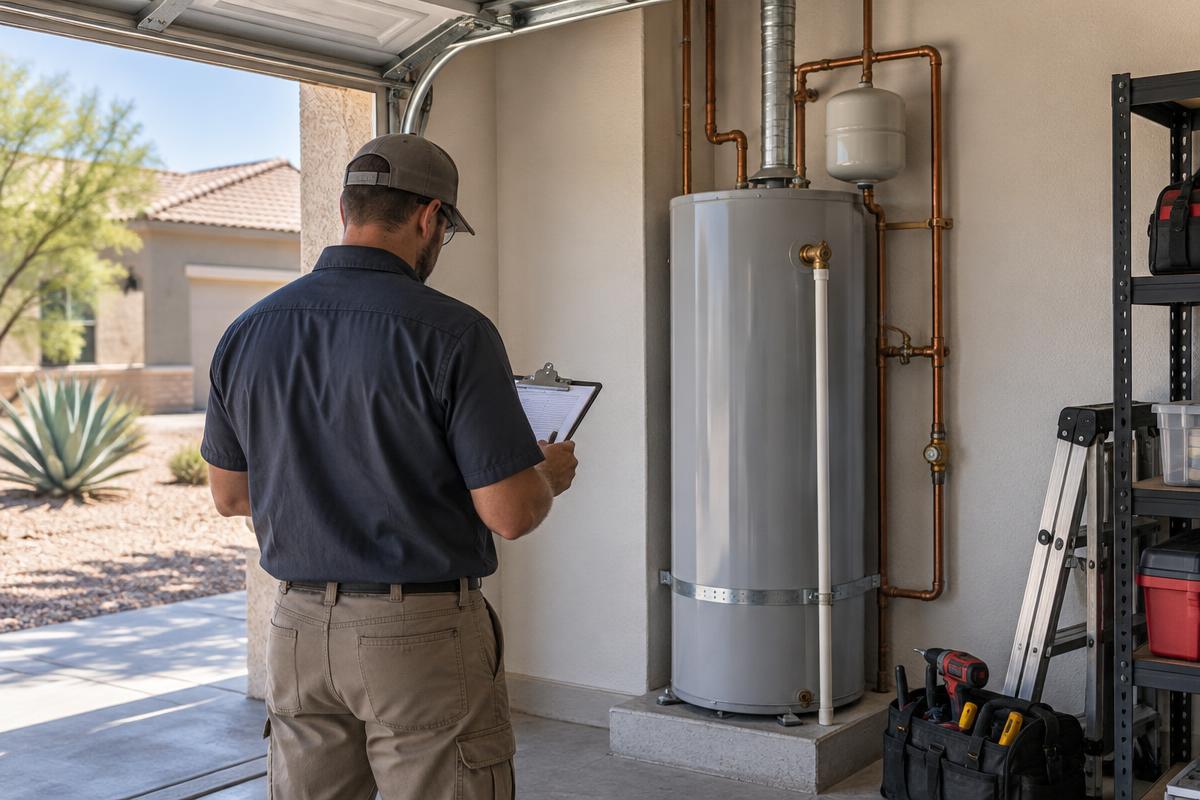
You cannot legally swap out a water heater in Phoenix without city approval. Securing a water heater installation permit phoenix requires submitting an application, paying a filing fee, and passing a final safety inspection. Whether you upgrade to a tankless unit or replace a standard gas tank, the city treats the job as a major plumbing alteration. These rules exist to protect your home from gas leaks, carbon monoxide exposure, and dangerous pressure buildup.
Pipes Plus handles the entire permitting process for local homeowners. This ensures the job gets done by the book, keeping your property safe and preventing future compliance issues if you ever decide to sell your home.
Phoenix Water Heater Permit Requirements Explained
The city follows the International Plumbing Code with specific local Phoenix amendments. Your installation must comply with strict safety standards. When applying for the permit, you must provide equipment details, British Thermal Unit output, and the exact installation location. The city uses this information to verify that the unit is appropriate for the space.
Inspectors focus on four critical areas during their review. Failing to meet the standards in any of these categories will result in a failed inspection and mandatory corrections.
Lines must be properly sized and feature a dedicated sediment trap to prevent burner clogs.
Wiring must match the breaker size, and a disconnect switch must be visible from the unit.
Flue pipes must draft carbon monoxide outside and maintain proper clearance from combustibles.
The temperature and pressure relief valve must route safely to the exterior of the home.
How to Secure Your Water Heater Permit
Homeowners often ask, do i need a permit to install a water heater on my own property. The answer is always yes. The City of Phoenix allows owner-occupants to pull their own permits, but the installation must still pass the exact same code inspection as a professional job.
Permits are processed through the city Planning and Development Department. Fees typically range from $50 to $150 depending on the scope of the work and the type of water heater. You can submit standard replacement applications through the city online portal, which often yields same-day approval for simple swaps.
Unpermitted work can void your homeowners insurance policy. If an illegal installation causes water or fire damage, your provider will likely deny the claim.
Gas vs. Electric Water Heater Permitting Differences
Gas water heaters require strict adherence to combustion air codes. If your unit sits inside a closet, the city inspector will check for high and low air vents to ensure the burner receives enough oxygen. Gas lines must also undergo a pressure test to confirm there are no microscopic leaks in the pipe joints.
Electric water heaters do not produce carbon monoxide, but they pull significant electrical amperage. The inspector will verify that your electrical panel can safely handle the load. They will also check that the wire gauge matches the circuit breaker rating. A dedicated disconnect switch is mandatory if the main electrical panel is not in direct sight of the water heater.
Water Heater Inspection Requirements in Phoenix
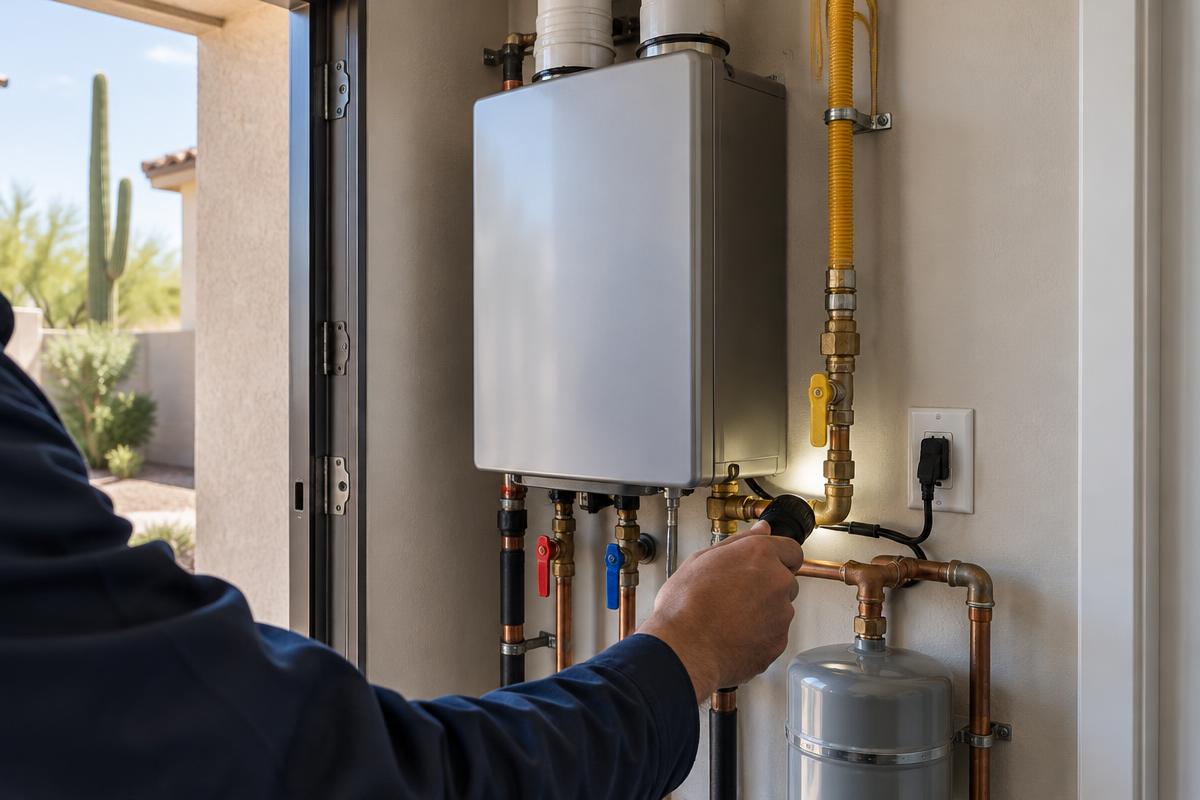
Securing the paperwork is only the first phase. The city requires a physical evaluation after the installation is complete. You or your plumbing contractor must schedule this visit through the Phoenix permitting portal. Water heater inspection requirements dictate that a licensed city official verifies the physical setup matches the approved permit.
The inspector checks gas line integrity, electrical connections, and proper venting angles. They also confirm that your drain pan and relief valve discharge pipes route to approved locations. If the installation fails, you must correct the violations within a specific timeframe and pay a fee for a reinspection.
Tankless Water Heater Code Considerations
Switching from a traditional storage tank to a tankless water heater changes your permit scope entirely. Tankless units require significantly more gas or electrical power to heat water on demand. The city treats this as an upgrade rather than a standard replacement.
The inspector will look closely at your gas line diameter and your electrical panel capacity. Undersized gas lines are a frequent reason for failed inspections on tankless conversions. A licensed plumber calculates these loads before submitting your permit application to prevent costly delays and ensure the unit operates safely.
Common Reasons Water Heaters Fail Phoenix Inspections
Homeowners who attempt their own installations often fail their first city inspection. One of the most frequent mistakes is using the wrong material for the temperature and pressure relief discharge pipe. The city mandates copper, CPVC, or specific PEX tubing. Standard PVC piping will melt under high heat and results in an automatic failure.
Another frequent violation involves gas drip legs. Phoenix code requires a sediment trap on the gas line just before the appliance. This trap catches debris before it reaches the burner. Missing or improperly installed drip legs will stall your final approval. Inspectors also frequently flag missing expansion tanks on closed plumbing systems.
Letting a Licensed Plumber Handle the Red Tape
Navigating the City of Phoenix permitting system takes time and patience. Hiring a licensed plumbing contractor shifts the legal and administrative burden entirely off your shoulders.
Here is a breakdown of what a professional handles for you:
Understanding who handles what part of the process clarifies why hiring a professional is the safest route.
| Task | Homeowner DIY Role | Licensed Contractor Role |
|---|---|---|
| Filing the Permit | Navigate the city portal and wait for approval | Handles filing instantly online |
| Code Compliance | Research and apply local plumbing amendments | Knows current IPC rules and applies them |
| Inspection Failures | Pay for new materials and reinspection fees | Corrects any rare errors for free |
Phoenix Permit FAQs
What happens if I install a water heater without a permit in Phoenix?
If the city discovers unpermitted work, they will issue a formal notice of violation. You will face double permit fees, mandatory inspections, and potential fines. You will also have to tear out and redo any work that does not meet current plumbing codes. Unpermitted installations can also complicate selling your home and void your homeowners insurance coverage.
How long does it take to get a water heater permit?
For standard water heater replacements, the City of Phoenix often issues over-the-counter plumbing permits on the same day through their online portal. More complex projects, such as upgrading to a tankless system that requires gas line modifications, may require a brief plan review that takes a few business days.
How much does a water heater permit cost in Phoenix?
A standard residential water heater permit in Phoenix typically costs between $50 and $150. The exact price depends on the specific type of water heater, the scope of the plumbing modifications, and current city fee schedules. Professional plumbers usually include this fee in their overall installation estimate.
Do I need an expansion tank in Phoenix?
The city code requires a thermal expansion tank if your home operates on a closed plumbing system. A closed system prevents water from flowing back into the municipal supply. A licensed plumber will test your water pressure and evaluate your system to determine if an expansion tank is mandatory for your specific setup to pass inspection.
Need a Code-Compliant Water Heater Installation?
Pipes Plus handles everything from selecting the right equipment to pulling the required Phoenix permits. We ensure your new water heater is installed safely, legally, and correctly the first time. Contact our team to schedule your service.
