When to Replace Faucets, Toilets, and Shower Valves in Peoria
Old faucets, toilets, and shower valves waste water and cause hidden leaks. Knowing when to swap out aging hardware saves money and prevents sudden plumbing failures in your home.
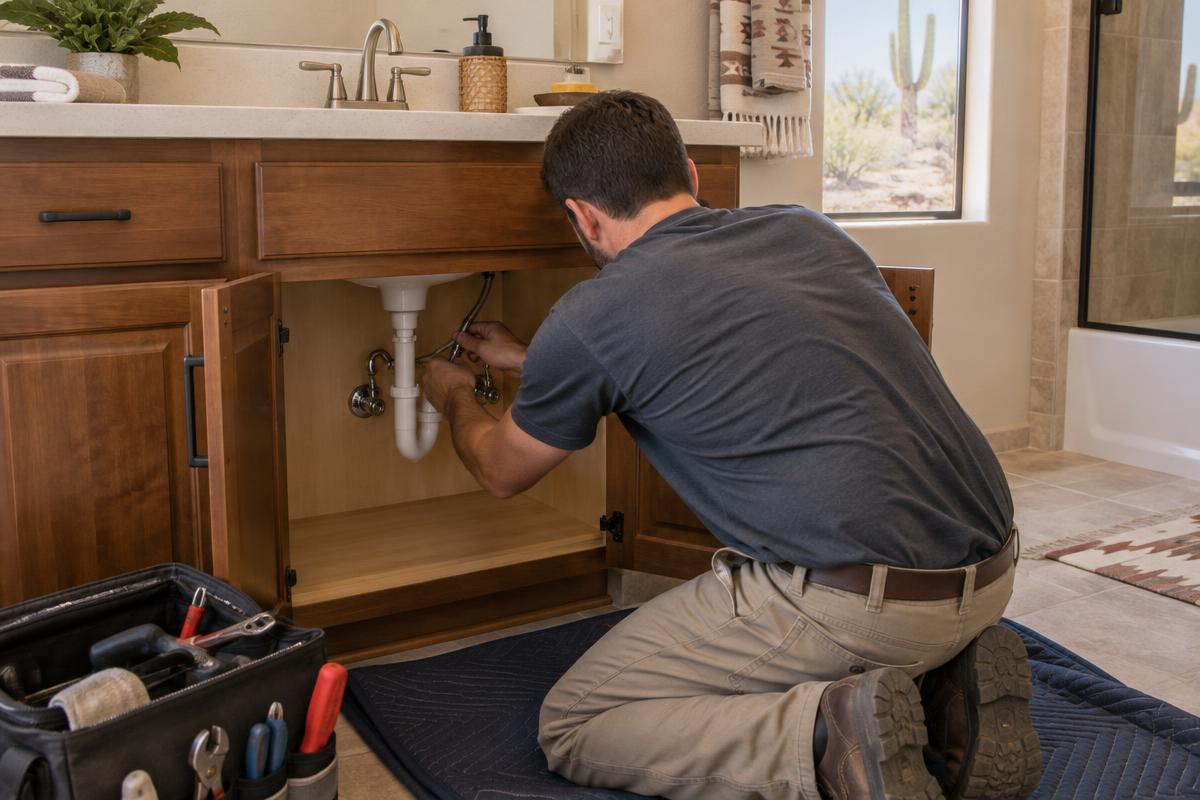
Faucets drip, toilets run, and shower valves stick. Homeowners often wait until a fixture breaks completely before replacing it. This delay leads to high water bills and cabinet water damage. A timely plumbing fixture replacement Peoria AZ keeps your system reliable and updates the look of your bathroom or kitchen.
The hard water in Arizona accelerates wear on internal cartridges and rubber seals. Knowing the lifespan of your fixtures helps you budget for replacements before they cause property damage. Pipes Plus provides professional installation to ensure your new hardware operates smoothly from day one.
Signs Your Faucets Need Immediate Replacement
A dripping faucet wastes hundreds of gallons of water a month. While a simple cartridge swap fixes some leaks, the metal body of the faucet degrades over time. Mineral buildup from Peoria water eats away at the internal threads and aerators. When you see white crust around the base or handles that feel stiff, the fixture is nearing the end of its useful life.
Faucets generally last 10 to 15 years. Beyond this point, finding replacement parts becomes difficult and expensive. Installing a new fixture often costs less than repeatedly paying for repairs on an outdated model. Upgrading also gives you access to modern features like touchless sensors and pull down sprayers.
A drip that persists after tightening or changing a cartridge means the valve seat is compromised.
Mineral scale blocks internal pathways and cannot always be flushed out of the system.
Rust or green oxidation on the spout or base indicates a complete structural failure.
When handles become hard to turn, the internal mechanics are failing and will soon snap.
When to Replace an Aging Toilet
Toilets can last for decades, but the internal mechanisms fail much sooner. You can replace flappers and fill valves easily. However, if the porcelain tank cracks, you need a full replacement. Hairline cracks expand under pressure and will eventually flood your bathroom.
Older toilets use up to 3.5 gallons per flush, while modern high efficiency models use 1.28 gallons. Upgrading saves a family of four roughly 16,000 gallons of water per year. Another reason for replacement is constant clogging. If you have to plunge your toilet every week, the trapway might be calcified or poorly designed.
Most homeowners spend between $400 and $800 for professional toilet installation, including the cost of a standard fixture. This upfront cost pays for itself through lower water bills and eliminated repair fees.
Failing Shower Valves and Hidden Leaks
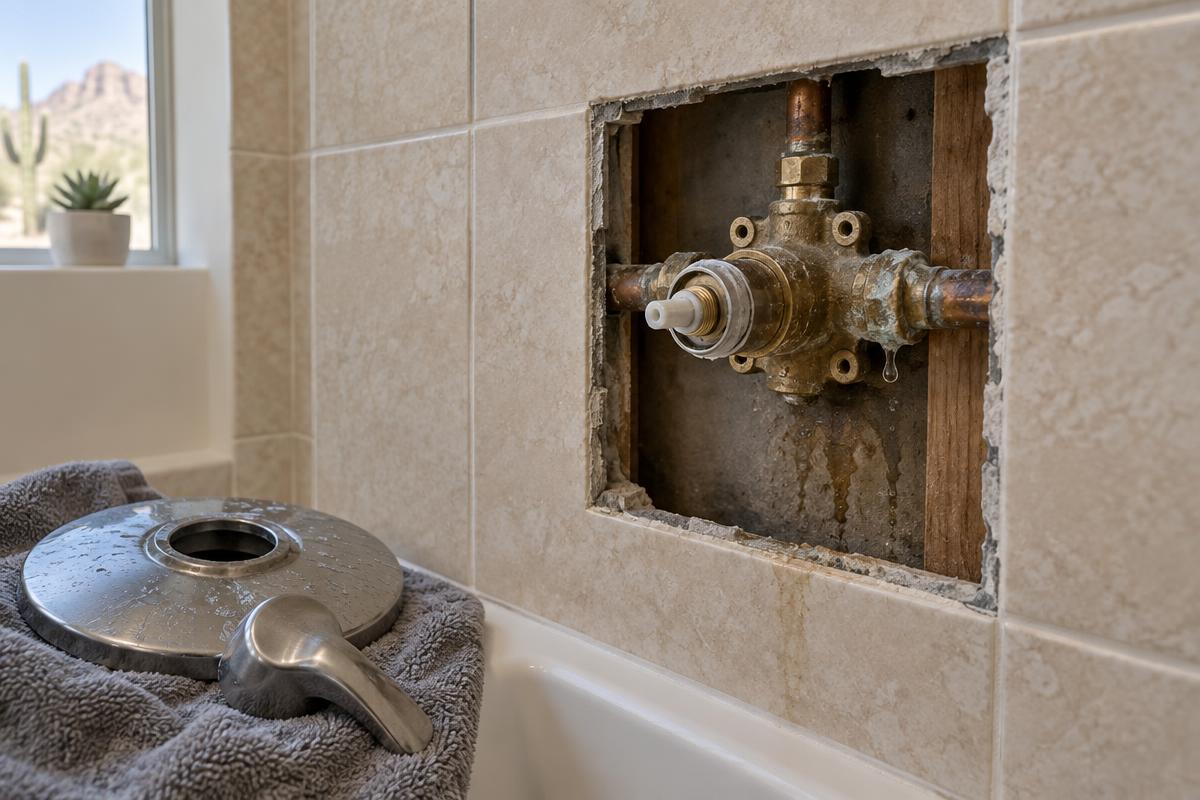
Shower valves control water temperature and pressure. When they wear out, you lose control over your water temperature. A sudden blast of scalding water or a freezing drop means the pressure balancing spool is stuck. These sudden temperature shifts pose a serious safety risk.
Shower valves sit directly behind the wall. If they leak, water drips down structural studs and ruins the drywall below. You might not see the damage until paint bubbles or mold grows on the ceiling of the room beneath the bathroom. Replacing a shower valve requires opening the wall and soldering new copper connections. This requires professional fixture installation Peoria to ensure the wall remains watertight.
Do Not Ignore Laundry and Outdoor Fixtures
Laundry room sinks and outdoor hose bibs take heavy abuse. Hose bibs left attached during freezing nights can split the pipe just inside the wall. If your outdoor spigot leaks when you turn on the hose, the internal stem is broken.
In the laundry room, old plastic utility sink faucets crack under high water pressure. Because these fixtures sit in unconditioned spaces or outside, extreme Arizona heat makes rubber seals brittle. Swap out standard hose bibs for quarter turn ball valves for better reliability and longer life. Upgrading these utility fixtures prevents unexpected flooding in your garage or yard.
Planning Your Fixture Installation in Peoria
Upgrading your plumbing hardware involves more than picking a style you like. You must match the new fixture to your existing plumbing rough in. For sinks, count the holes in your countertop to ensure the new faucet fits. For showers, verify if you have a single handle or two handle valve setup.
Here is a quick breakdown of steps to take before buying new fixtures:
Taking these steps ensures you buy the correct hardware and avoid costly modifications during installation.
| Fixture Type | Average Lifespan | Replacement Trigger |
|---|---|---|
| Faucets | 10 to 15 Years | Persistent leaks or heavy calcification |
| Toilets | 20+ Years | Cracked porcelain or frequent clogs |
| Shower Valves | 15 to 20 Years | Inconsistent temperatures or behind wall leaks |
Fixture Replacement FAQs
How much does it cost to replace a plumbing fixture?
The cost ranges from $150 for a simple bathroom faucet swap to $800 or more for a new toilet or complex shower valve installation. Prices depend heavily on the quality of the fixture you choose and the accessibility of your plumbing lines. Upgrading old angle stops during the replacement process adds a small additional fee but prevents future leaks.
Can I install my own plumbing fixtures?
You can install basic faucets if you have the right tools and understand how to properly seal connections. However, shower valves and toilets require precision. Improper installation leads to slow leaks that rot floors and drywall over time. Hiring a professional guarantees the job is done right and protects your property from water damage.
Why is my new faucet water pressure so low?
Low pressure on a newly installed faucet usually means debris from the pipes clogged the aerator when the water was turned back on. You can fix this by unscrewing the aerator at the tip of the spout, rinsing out the small screen, and reattaching it. If the pressure remains low, the supply lines might be kinked.
Should I repair or replace my dripping faucet?
If the faucet is under 10 years old and the metal is in good condition, replacing the internal cartridge is a cost effective repair. If the metal is corroded, the finish is peeling, or you have already repaired it multiple times, a full replacement makes more financial sense.
Do I need a permit to replace a toilet or sink?
In most cases, replacing a fixture in the exact same location does not require a permit. However, if you are moving the plumbing lines, adding a new sink, or altering the drainage system, you will need to pull a permit. Your plumber will handle the permitting process if the scope of work requires it.
Ready to Upgrade Your Plumbing Fixtures?
Stop dealing with leaks, poor water pressure, and outdated hardware. Pipes Plus provides expert fixture replacement in Peoria. Call us today to schedule your professional installation.
